Modernizing a Federal Business Operating System
Summary
As the sole designer on a large multi-team program, I led UX research, design systems, and UI modernization efforts across multiple mission-critical internal applications.
I established the program’s first UX research initiative, created a scalable cross-application design system, and partnered with engineering to modernize legacy interfaces and frontend architecture.
Company
Northrop Grumman
Role
UX Designer
Timeline
Feb 2025 - Present
This project is under NDA ✦
Due to NDA restrictions, work is anonymized and visuals are reconstructed. Details have been generalized to protect proprietary information.
Problem
A federal defense client relies on our team to maintain and evolve internal applications supporting account management, budgeting, and documentation workflows.
However, these applications were:
- Built by fragmented teams over time
- Inconsistent in UX patterns and accessibility
- Running on outdated frameworks
- Accumulating significant UX and technical debt
In short, there was no centralized UX governance or shared design system.
Goals
- Establish a scalable, cross-application design system
- Modernize legacy interfaces and user experiences alongside required technical migrations
- Identify and resolve usability friction while estabilshing scalable user research systems and standards
Research
Before redesigning, I analyzed how users interacted with our most-used apps to identify points of friction.
Research Approach
Since direct access to end users was limited, I conducted research using alternative methods:
- Performed an end-to-end site audit to understand current workflows
- Interviewed helpdesk staff and collaborated to gather ticket data, providing insights into user needs and pain points
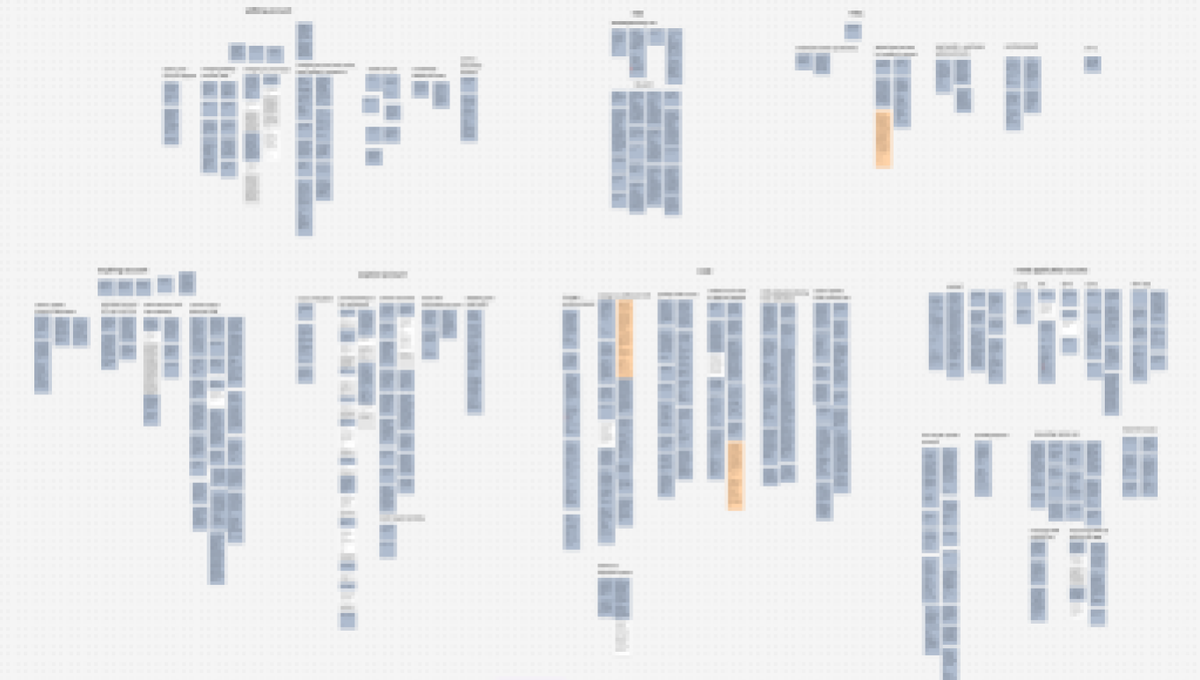
- Reviewed 100+ support tickets and performed affinity mapping to identify recurring issues
Affinity Map
Key Findings
- Navigation and IA were inconsistent and cognitively heavy
- Visual patterns and color contrast failed modern accessibility standards
- Users developed workarounds outside the intended flows
- Critical workflows had overwhelmingly error-prone or irreversible interactions
Overall, the products suffered from accumulated UX debt. Systemic issues, not isolated screens, required a program-level solution.
Design System
To create consistency across diverse tech stacks, I led the development of a scalable, implementation-friendly design system.
Style Guide Refresh
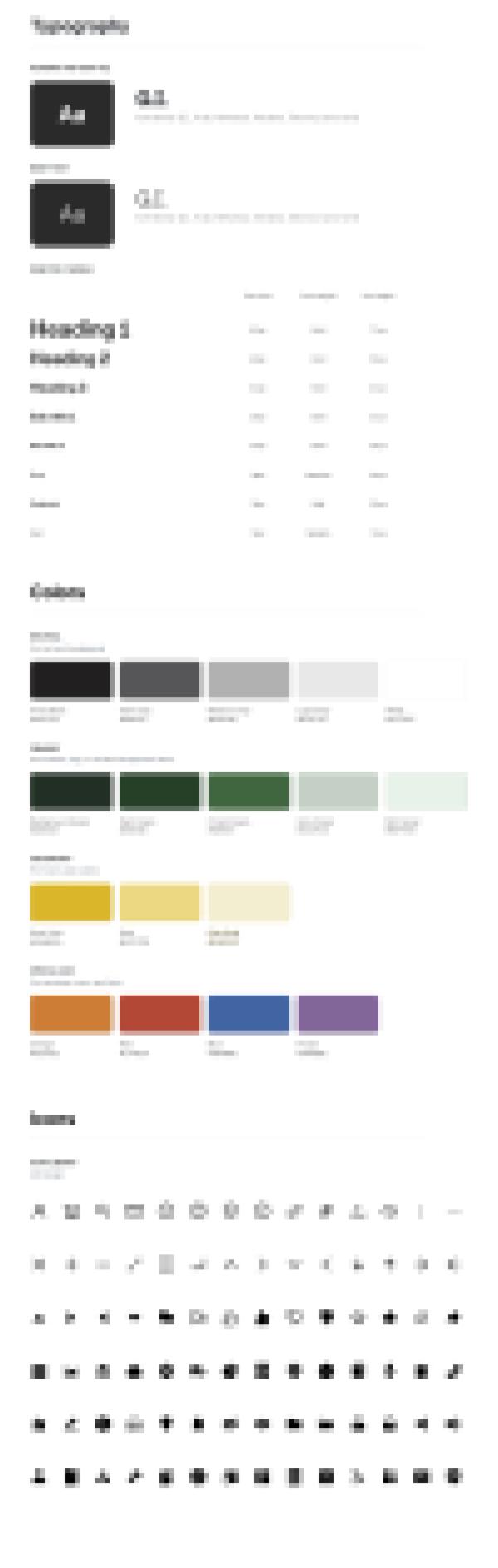
- Developed a program-wide style guide aligned with our federal defense client’s brand standards
- Defined typography, color usage, spacing, and accessibility standards
- Centralized and simplified styling requirements to reduce engineering friction
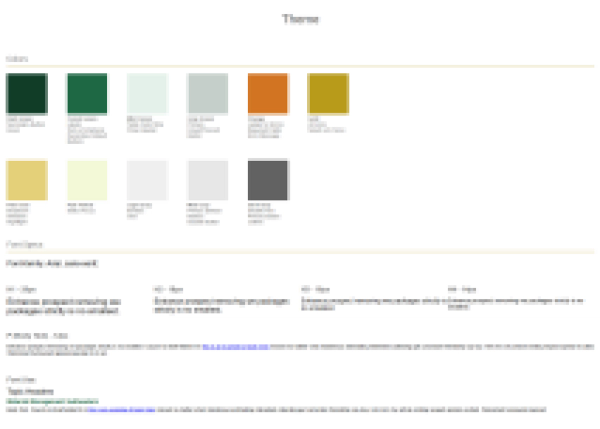
Legacy Style Guide
Updated Style Guide
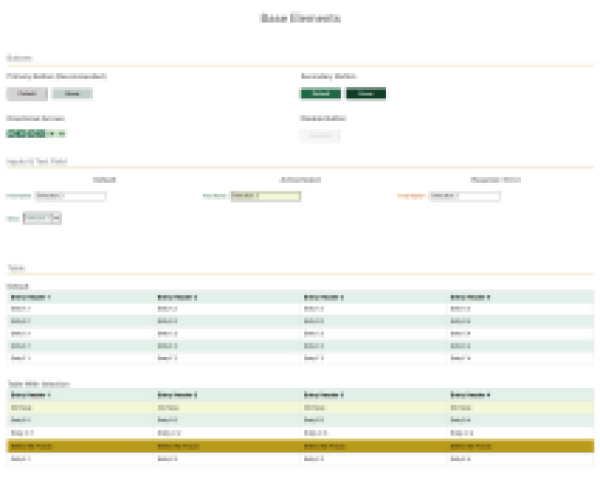
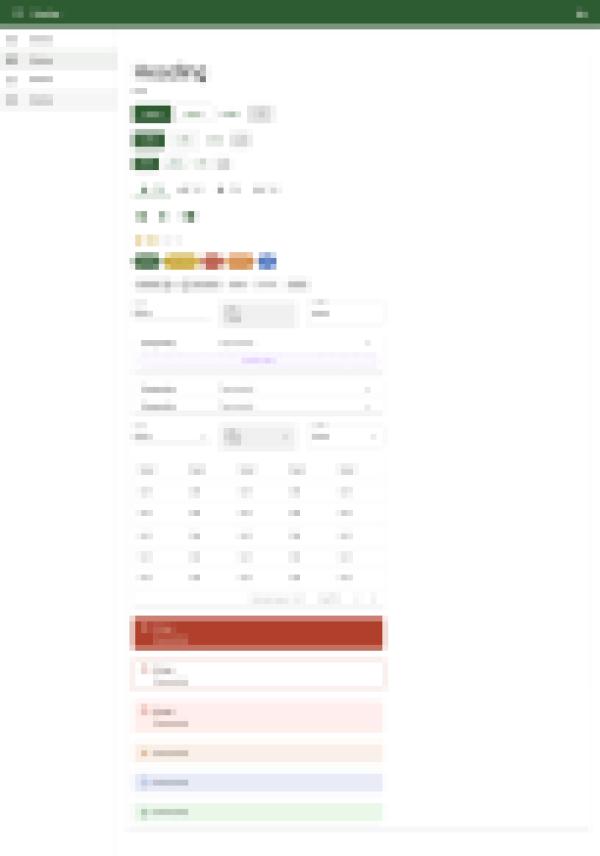
Component Library
- Audited components across multiple applications
- Standardized core UI patterns (forms, buttons, navigation, data displays)
- Documented usage guidelines and interaction states
- Collaborated with engineering leads to ensure cross-stack feasibility
Rather than designing for a single app, the system was structured for long-term adoption across the program.
Legacy Components
Updated Components
App Modernization
Enterprise Portal UI Refresh
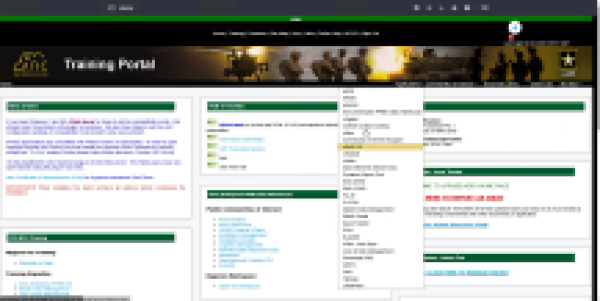
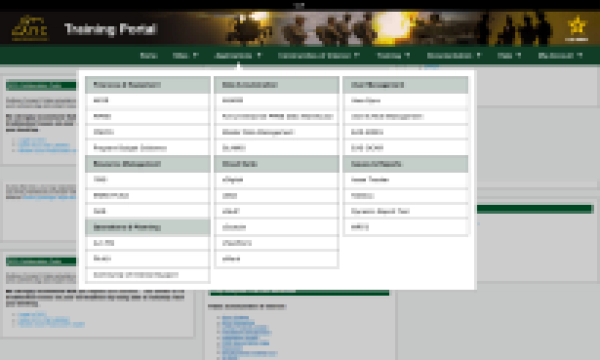
The portal was intended to be a central resource hub, and the entry point to all applications. However it was underutilized. Users bypassed it via bookmarks and described it as unintuitive.
My proposed redesign was approved and sparked leadership discussions on the need for IA evaluation and UX governance.
Legacy Application
Proposed UI
Access Management App UI Refresh
The frontend framework had reached end-of-life, requiring migration. I conducted technical discovery to explore options for a stable, maintainable frontend while aligning with the emerging design system.
My Process
- Researched and compared modern frontend frameworks for maintainability, ecosystem support, and security
- Partnered with engineering to align on feasibility and migration effort
- Prototyped example UIs using finalist component libraries to evaluate flexibility and integration
Outcome
The team decided to migrate to React with a component-based architecture and UI library, enabling:
- Improved maintainability, accessibility, and security
- Standardized UI components aligned with the design system
- Reduced frontend and backend technical debt
Conclusion
This work established foundational UX infrastructure across the program, including…
- A shared design system adopted across applications
- Clear usability and accessibility standards
- Stronger design-engineering alignment
- A scalable foundation for frontend modernization
As the sole designer, I helped introduce design systems, usability standards, and UX practices that created a scalable foundation across the program.
Next Project